Table of Contents (12 sections)
The retail landscape undergoes significant transformations during the holiday season, most notably on Black Friday. In this analysis, we will delve into black friday holiday sales trends compared to general holiday sales. Understanding these trends can help consumers navigate their shopping experiences more effectively and help businesses optimize their strategies.
🏷️ What is Black Friday?
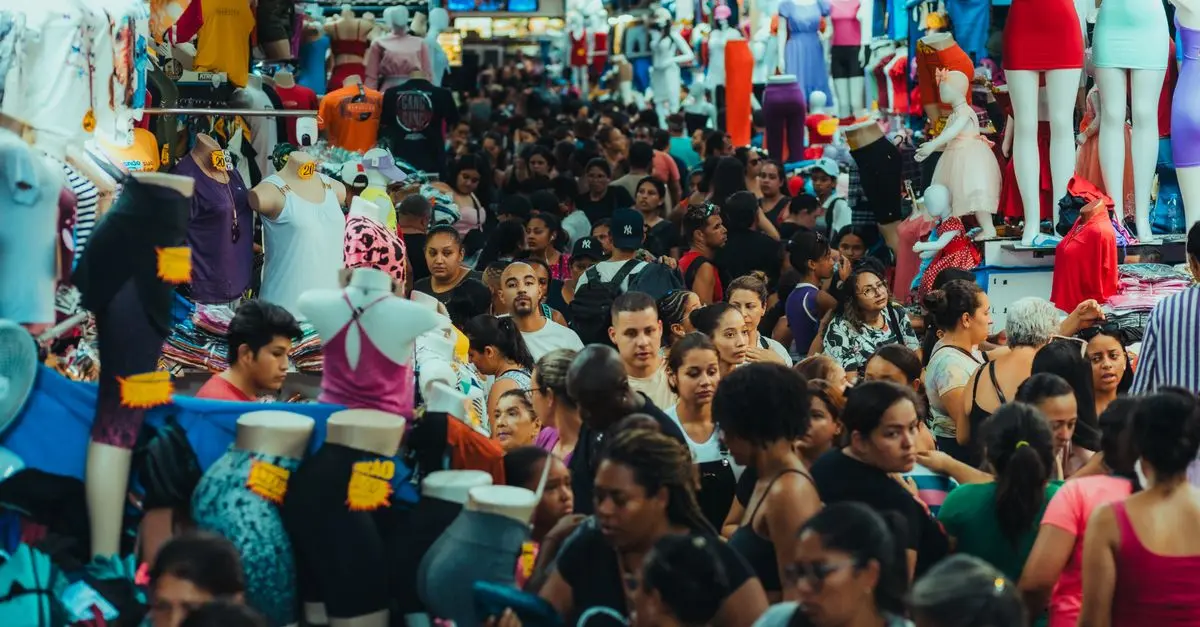
Black Friday marks the day after Thanksgiving in the United States, officially kicking off the holiday shopping season. Retailers offer significant discounts, leading to an influx of shoppers both in-store and online. This phenomenon has grown beyond U.S. borders, seeing adoption in various countries, often blending with local traditions.
📊 Why are Sales on Black Friday So Significant?
The sheer volume of sales generated during Black Friday is staggering. According to the National Retail Federation (NRF), consumers spent over $9 billion online during Black Friday in 2022, with a marked increase expected in 2026. Shoppers strategize their purchases, seeking deals on electronics, appliances, and clothing, making the day not just about shopping but about making wise financial decisions ahead of the holiday expenditures.
For businesses, Black Friday signifies a chance to clear out inventory and boost annual revenue. Retailers often deploy aggressive marketing strategies, including doorbuster deals and limited-time offers, to heighten urgency. Consequently, this day lays the groundwork for a surge in holiday sales and can significantly impact yearly earnings for many retailers.
🔄 Holiday Sales Overview
While Black Friday is one important marker, general holiday sales encompass a broader time frame, including weeks leading up to Christmas and extending through the end of the year. Retailers see a diverse shopping pattern, with consumers seeking gifts, decorations, and specialty items.
Holiday shopping trends have evolved with the rise of e-commerce, leading to significant shifts in consumer behavior. In recent years, shifts such as Cyber Monday have emerged, attracting consumers to online platforms with enticing discounts on technology and appliances. Overall, holiday sales now integrate a blend of in-store experiences with online conveniences.
📋 Key Differences Between Black Friday and Holiday Sales Trends
To highlight the contrasts more clearly, the following table outlines specific attributes regarding Black Friday and general holiday sales trends:
| Criteria | Black Friday Trends | Holiday Sales Trends | Verdict |
|---|---|---|---|
| Timing | Day after Thanksgiving | Late November through December | Different focus periods |
| Discount Levels | Deep discounts (30-70%) | Moderate discounts (10-30%) | Better deals on Black Friday |
| Product Categories | Electronics, toys, apparel | Gifts, holiday décor | Diverse categories in holidays |
| Shopping Behavior | Urgency and competition | Increased leisure shopping | Different shopper mindset |
💡 Expert Opinion: As an industry analyst, I believe that understanding consumer behavior is key to making the most of both Black Friday and holiday sales. Businesses must adapt their strategies depending on the shopping environment they expect during these times.
💭 Customer Insights and Experiences
Feedback from consumers further illuminates these trends. Many shoppers prefer to take advantage of Black Friday for high-ticket items that traditionally see significant discounts. In contrast, holiday shopping is often viewed as more leisurely, with families engaging in the process of finding the right gifts and enjoying the experience of seasonal festivities.
📺 Resource Video
> 📺 For further insight: Check out this analysis on holiday shopping trends, a comprehensive overview of seasonal consumer behavior. Search YouTube for: "Black Friday vs Holiday Sales 2026".
💡 Data-Driven Insights
Recent data reveals that 50% of consumers plan to shop before Black Friday in 2026; this underscores the importance of planning and strategic decision-making during a high-stakes shopping period. Additionally, according to research from Adobe Analytics, online shopping for the holiday season increased by 10% year-on-year, highlighting the dynamic evolution of purchasing platforms.
❓ Frequently Asked Questions (FAQ)
- Q: What are the typical discounts during Black Friday?
A: Discounts can range from 30% to 70%, especially for electronics and major retailers.
- Q: How do holiday sales compare to Black Friday?
A: Holiday sales generally feature moderate discounts and cater to a wider range of products.
- Q: When do Black Friday sales start?
A: Many retailers begin offering deals in the week leading up to Thanksgiving.
- Q: Are Cyber Monday deals better than Black Friday?
A: Cyber Monday often focuses on online deals, particularly electronics, which can rival Black Friday discounts.
Glossary
| Term | Definition |
|---|---|
| Black Friday | The day following Thanksgiving in the U.S., marking the start of the holiday shopping season with significant sales. |
| Cyber Monday | The Monday after Thanksgiving, focused on online sales, particularly for tech products. |
| Holiday Season | The period encompassing various festive celebrations, including Christmas and New Year, involving increased consumer spending. |
Checklist Before Shopping
- [ ] Research product prices ahead of time.
- [ ] Create a list of items to purchase.
- [ ] Compare Black Friday and holiday sales for desired products.
- [ ] Determine the budget for each shopping event.
- [ ] Look for exclusive online offers and promotions.
In summary, both Black Friday and the general holiday sales trends provide unique opportunities for consumers and retailers alike. By understanding the distinct characteristics of each, shoppers can strategically maximize their spending, while retailers can craft tailored marketing strategies that resonate with their audiences. This evolving landscape requires both sides to stay informed and adaptive, especially in 2026 and beyond.