Table of Contents (17 sections)
Black Friday, the day after Thanksgiving in the United States, has evolved into a global shopping phenomenon. In 2026, this iconic shopping event is expected to witness significant changes influenced by technology, consumer behavior, and economic factors. As we delve into the top trends shaping this year’s Black Friday shopping experience, it becomes clear that understanding these shifts can help consumers make informed purchasing decisions.
Trend 1: Rise of Augmented Reality Shopping
One of the most exciting trends in Black Friday shopping for 2026 is the rise of augmented reality (AR). This technology allows shoppers to visualize products in their home environment before making a purchase. Retailers are integrating AR into their apps and websites, enabling them to offer virtual try-ons for clothing, eyewear, and even furniture. According to a report by Gartner, AR shopping could increase engagement by up to 40% this year. For instance, using AR, consumers can see how a new sofa fits into their living room or how a pair of shoes looks on their feet, significantly reducing the likelihood of returns and increasing satisfaction.
Importance of AR in Shopping
The importance of AR in retail shopping cannot be understated. It enhances the customer’s journey by providing a tangible experience that online shopping typically lacks. As consumers are becoming increasingly familiar with this technology, retailers that fail to adopt AR might find themselves at a competitive disadvantage.
Trend 2: Sustainable Shopping Practices
A growing awareness among consumers about environmental issues is translating into changes in shopping habits. For Black Friday 2026, eco-friendly products and sustainable shopping practices are more than just trends—they are becoming the norm. 67% of consumers surveyed by Nielsen indicated they would prefer to buy from brands that demonstrate sustainable practices. This year, many retailers will promote eco-friendly products and highlight their sustainable supply chains. Furthermore, initiatives such as carbon offset programs are being introduced to appeal to the environmentally conscious shopper.
Effect of Sustainability on Retail
Sustainability not only aligns businesses with consumer values but also fosters brand loyalty. Shoppers are increasingly making purchasing decisions based on a retailer's commitment to social and environmental responsibility. Brands that emphasize transparency in their production processes can forge stronger connections with consumers.

Trend 3: Personalized Shopping Experiences
Personalization is a powerful trend shaping the Black Friday landscape in 2026. Retailers are leveraging data analytics and artificial intelligence to create tailored shopping experiences for their customers. This includes personalized recommendations, custom discounts, and targeted advertisements based on browsing history and preferences. A study by McKinsey found that personalized experiences can increase customer engagement by 20-30%.
Benefits of Personalization
The benefits of personalization are multifold, leading to higher conversion rates and customer retention. By utilizing data effectively, businesses can provide more relevant promotions, ultimately transforming how shoppers interact with brands. Personalized experiences not only enhance customer satisfaction but also encourage repeat business.
Trend 4: Omnichannel Shopping Options
As more consumers engage in both online and in-store shopping, the omnichannel approach becomes critical. In 2026, retailers are expected to further integrate their online and offline channels to create seamless shopping experiences. The ability to buy online and pick up in-store, as well as having real-time inventory updates across both channels, is becoming increasingly popular. According to Shopify, omnichannel shoppers tend to spend 10-15% more than single-channel shoppers.
Implications of Omnichannel Strategies
Retailers must recognize that consumers today navigate multiple platforms and expect consistent experiences across channels. Meeting this demand can lead to greater customer satisfaction and loyalty. Omnichannel strategies not only optimize the shopping journey but also allow retailers to gather more comprehensive data on consumer behavior.
Trend 5: Increased Use of Payment Flexibility
In 2026, payment methods are evolving, with increased options like buy-now-pay-later (BNPL) services becoming widely adopted. This trend provides consumers with the flexibility to make substantial purchases without immediate financial strain. According to a survey from Braintree, 55% of millennials are more likely to make a purchase if BNPL is offered as a payment option. Retailers that integrate flexible payment Solutions can see higher average order values during Black Friday.
The Future of Payment Flexibility
The trend toward payment flexibility can have significant implications for both shoppers and retailers. Consumers appreciate the ease and control over their finances, leading to higher sales for businesses. Offering diverse payment options can also attract new customers who might be hesitant to spend larger sums upfront.
Trend 6: Social Commerce
The rise of social media as a shopping platform is no longer in its infancy. In 2026, social commerce is expected to continue its surge, with platforms like Instagram and TikTok facilitating direct purchases through shoppable posts and videos. A report from eMarketer predicts that social commerce will account for 20% of total online sales within the next year. Retailers are increasingly partnering with influencers to reach wider audiences, leveraging authentic endorsements to drive sales.
Analyzing Social Commerce Success
Social commerce changes how brands connect with consumers. When shoppers can buy products directly through social media, the path to purchase is streamlined, overcoming barriers that exist within traditional retail. Brands can effectively use social proof from influencers to drive sales, making it crucial for businesses to invest in social media marketing strategies.
Checklist before Purchase
- [ ] Determine your budget for Black Friday shopping.
- [ ] Research products ahead of time to avoid impulse buying.
- [ ] Check for price history and compare prices across platforms.
- [ ] Sign up for newsletters for exclusive deals and discounts.
- [ ] Utilize AR tools to visualize products.
Glossary
| Term | Definition |
|---|---|
| Augmented Reality (AR) | A technology that overlays digital information in the real world, enhancing user experiences. |
| Omnichannel Retailing | A multichannel approach to sales that seeks to provide customers with a seamless shopping experience. |
| Social Commerce | The use of social media platforms to facilitate buying and selling goods. |
📺 Resource Video
> 📺 For a deeper dive: Explore the dynamics of Black Friday shopping and trends shaping the retail landscape in 2026. Search on YouTube: "Black Friday shopping trends 2026".
Conclusion
As we gear up for Black Friday this year, understanding these evolving trends is essential for making the most of the shopping experience. Shoppers who adapt to these changes can take advantage of technology, sustainability, and new shopping habits to maximize both savings and satisfaction. Remember to leverage the tools and practices available for a successful Black Friday 2026!
Need inspiration? We have selected several products suited to your needs for this Black Friday. Explore our recommendations below.
📺 Pour aller plus loin : Black Friday shopping trends 2026 sur YouTube
Recommended products
Selected by our experts
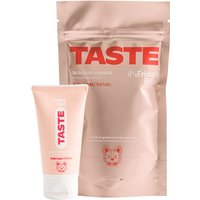
Gel de plaisir lubrifiant aromatisé Fruits Rouges - Friday Bae
Blissim FR
A great product to consider for enhancing intimate experiences during the holiday season.
Lubrifiant Lube de plaisir - Friday Bae
Blissim FR
This versatile lubricant is perfect for those looking to spice up their Black Friday shopping with exciting new products.
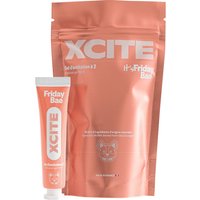
Gel d’excitation à deux - Friday Bae
Blissim FR
This gel is ideal for couples who want to explore new excitement together.